Every pet parent wrestles with the same question before a trip or a long workday: who will care for my animal the way I do? I’ve spent years running a pet boarding service that supports dogs and cats from Mississauga to Oakville, watching shy rescues blossom and high-energy puppies learn to settle. Safety is the backbone, love is the heartbeat, and consistency ties it all together. The logistics matter, but so does the quiet stuff: the way a nervous cat’s pupils soften when you speak gently, or how a dog finally eats when you sit nearby. The following is how we make that happen, day after day.
What “safe and loved” really means
The sign on the door can say dog daycare or pet boarding service, yet those titles don’t guarantee outcomes. In practice, safety is layered. It starts with facility design, runs through staff training and protocols, and ends with transparent communication. Love is equally practical. It shows up in the extra minute taken to brush a tail that tangles easily, the choice to hand-feed a senior dog who struggles at night, or the way we record a cat’s chin scratch preference because that tiny detail reduces stress.
Trust arrives slowly. Most pets need a day or two to understand the routine, the sounds, the smells, and the people. The goal is to compress that adjustment window without pushing too hard. We build predictability into everything, then personalize it based on the animal standing in front of us.
Our approach to environment and routine
A boarding space can calm or overwhelm, depending on layout and flow. We separate high-energy zones from quiet areas, keeping dog daycare playrooms well away from cat boarding suites. Dogs that thrive on action go to doggy daycare in the morning, then return to their boarding rooms for midday naps. Seniors, puppies, or introverts get shorter, more frequent outdoor sessions. Cats have vertical space, hiding cubbies, and vantage points that let them observe without feeling cornered.
Sound control matters more than most people think. Barking echoes can rattle sensitive pets, so we use double-door entries, sound-absorbing wall treatments, and white noise in cat areas. Lighting is warm and consistent, without harsh fluorescents. Overnight rooms sit at a stable temperature, and airflow is monitored. The less a pet has to process, the more energy they have to relax.
Health, vaccination, and illness prevention
A clean bill of health starts long before a pet arrives. We require vaccination documentation based on age and medical history, and we verify it rather than accepting a vague note. Dogs joining dog daycare mississauga or dog daycare oakville schedules must be current on core vaccines, and we discuss optional ones like Bordetella and influenza with each owner. For cats, we verify FVRCP and rabies, and we ask about recent respiratory symptoms, even if they seem minor.

Quarantine protocols are non-negotiable. Any cough, sneeze cluster, or loose stool gets escalated and separated. We clean with veterinary-grade disinfectants on a strict rotation and use color-coded tools to prevent cross-contamination. Water bowls are swapped and sanitized multiple times per day. Bedding is laundered with fragrance-free detergent, because strong scents can irritate a dog’s nose or a cat’s airway.
Medication handling is precise. We log dosage, route, and timing in a system that double-checks entries, then require a second person to confirm all controlled substances. For pets on complex regimens, we do a trial day or night so the team can practice the schedule before a longer stay.
Behavior assessment and safe play
Not every dog wants group play, and not every cat appreciates company. We start with short introductions in neutral spaces and watch for micro-signals: ear position, eye shape, tail base tension, sniffing patterns, and recovery time after surprises. When we evaluate a dog for dog day care, we’re not judging personality. We’re finding the situations where that dog feels competent and relaxed.
Leash introductions are gentle, then we move to a small yard with a single helper dog who knows how to read the room. If the new dog leans into playbows and disengages politely, we add a second, then a third. The moment posture stiffens or play gets too fast, we reset with a parallel walk. For puppies who barrel with no brakes, we pair them with steady adult dogs who can teach pacing. We never throw a new dog into a big group. That’s not an assessment, that’s a stress test.
Cats are simpler in one sense and trickier in another. Cat boarding suites are separate for a reason. If two cats from the same household are bonded, we house them together with vertical separation and double feeding stations. Pairing unrelated cats is almost always a bad idea. We focus on scent enrichment, stable routines, and unobtrusive interaction so they can set the pace.

What a day looks like for dogs
Mornings start early, usually before the first commuter traffic hits. We rotate dogs out to yards by temperament and need, then serve breakfast within a window that keeps meds on schedule. Daycare dogs move into the dog daycare mississauga or dog daycare oakville play blocks, split by size and energy. Boarding dogs get individualized plans. Some thrive on two long sessions and a puzzle toy midday. Others prefer four short sniff-walks and a cuddle break.
We build rests into every schedule. Continuous play is a recipe for over-arousal and scuffles, even among friendly dogs. After each play block, we dim lights in rest rooms, dog daycare mississauga play low-volume music, and offer water and chew options. Staff monitor respiration and posture. A dog that pants on the floor after a short session needs a calmer next block, not “more exercise.”
Afternoons shift toward enrichment. Scent games, lick mats, slow feeder bowls, and short training refreshers help dogs decompress. We avoid back-to-back high-arousal activities. By dinner, dogs settle into their boarding rooms. Lights go down in stages so the building quiets gradually rather than abruptly. We do a final round for bathroom breaks and tuck-ins, which for some dogs means a quick ear massage and for others a simple, quiet goodnight.
What a day looks like for cats
Cats crave control. We minimize handling and let them choose when to interact. On day one, we dim the suite, offer a high-value hide, keep the litter box distant from food and water, and provide multiple textures: a fleece blanket, a cardboard scratcher, and a sisal post. We feed small, frequent meals to encourage appetite. If a cat refuses to eat for more than a day, we escalate with warmed food or toppers, and we alert the owner. Hydration is tougher to gauge, so we track litter output and offer both still water and a fountain.
Play sessions are short and intentional. Wand toys mimic prey movement, not a random flail. We avoid laser pointers unless we finish with a catchable toy to prevent frustration. Many cats never want to leave the suite, and that’s fine. The goal is to preserve agency. By day two or three, most cats peek out when they hear the staffer they prefer.
Matching services to the pet
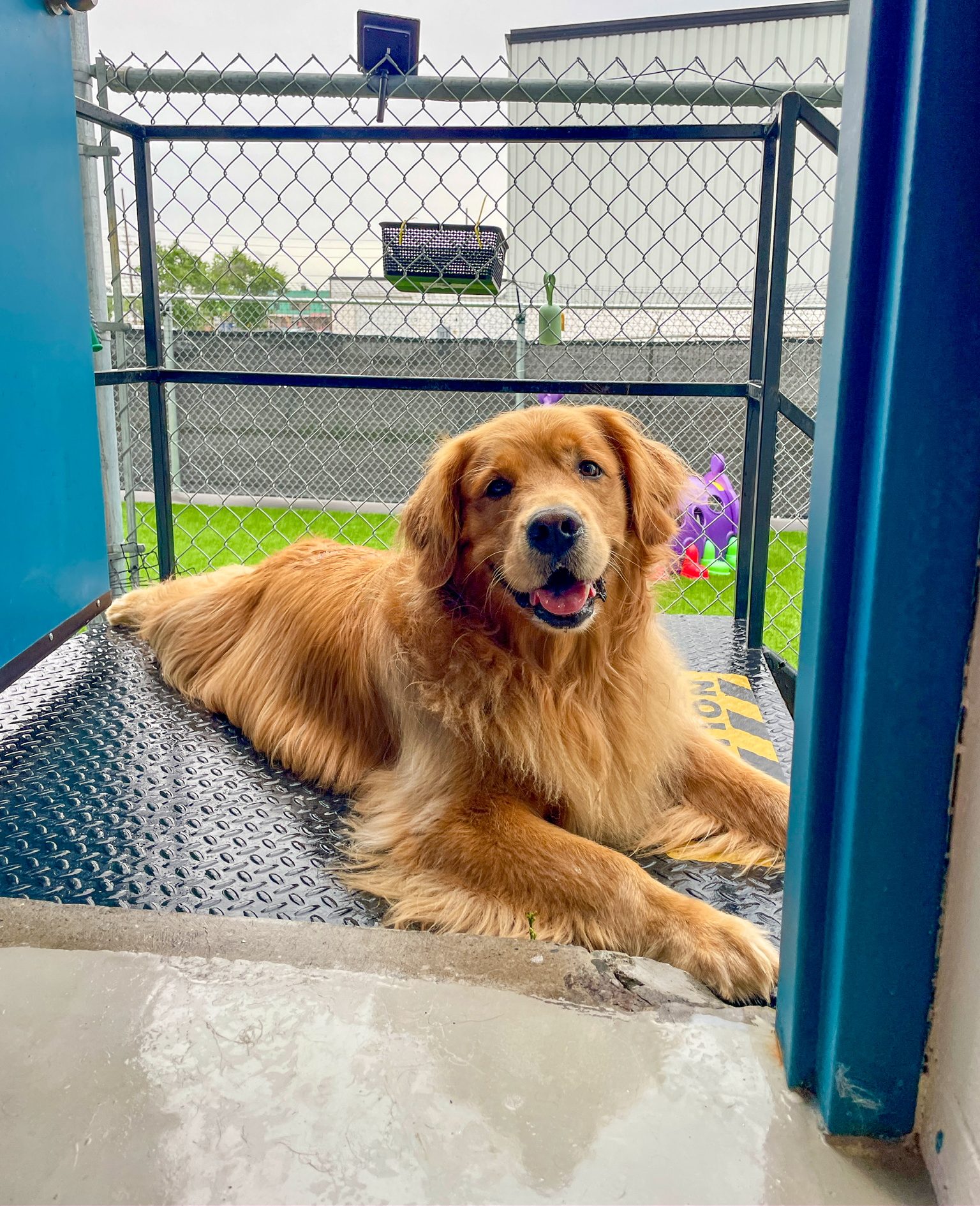
Dog boarding and dog daycare overlap but aren’t interchangeable. Daycare suits social, physically healthy dogs who communicate well and enjoy novelty. Boarding is about rest, routine, and stable care. Some dogs board beautifully but find daycare noisy and confusing. Others light up at daycare yet struggle to sleep overnight without their person. We adjust. In Mississauga, we see many condo dogs who need outdoor time but are overwhelmed by big groups. In Oakville, we meet yard-accustomed dogs who suddenly share space and need help with indoor manners. That difference shapes the way we structure dog boarding mississauga and dog boarding oakville schedules.
Cat boarding is its own craft. A confident cat can handle a window perch and regular play. A skittish cat from a quiet home does better with a covered crate inside the suite and a slow fade-up of light. Owners often ask for daily photos. We provide them, but we time the visit to avoid interrupting sleep cycles, because a photo that took three attempts can undo a day of progress.
Intake that actually prevents problems
The first five minutes of drop-off often decide how the next 24 hours go. We greet the pet by name, then give the owner space to share details without feeling rushed. We’ve caught countless issues at this stage: a collar that loosens under tension, a dog that guards bowls, a cat that only uses unscented litter, a medication that must be given with food. We note what the owner calls the pet, because “Bear” might respond to “Buddy” at home, and familiarity can settle nerves.
Food matters more than people expect. A sudden switch can trigger GI upset, which cascades into stress and dehydration. We ask owners to bring the regular diet plus 10 percent extra. If they forget, we have gentle, easily digestible back-up options, but we introduce them gradually. For boarding stays longer than a week, we sometimes split meals into three smaller portions to reduce stomach load.
Safety protocols you can see and the ones you can’t
Some safety work is visible, like the way we position our bodies to block doors or the coded tags that instantly tell any staffer about a dog’s triggers. Some of it is behind the scenes. Each playroom has a capacity cap that we don’t exceed, even when bookings spill over. Every yard has double gates, and we actively scan for fence line pressure points after freeze-thaw cycles. We rotate toys to prevent resource guarding and sanitize them daily.
Emergency prep is rehearsed, not theoretical. We run drills for fire, severe weather, and medical events. Staff know where carriers are, how to evacuate cats safely, and how to triage a torn dewclaw versus a bloat risk. We keep a digital file for each pet with vet contacts and consent parameters. If a dog ingests something questionable, we don’t waste time hunting for phone numbers.
Training, grooming, and the benefit of a calm body
A well-groomed dog is more comfortable, which affects behavior. Matted fur pulls at the skin and makes handling painful, so dogs snap during benign procedures. In-house dog grooming services help keep coats, nails, and ears maintained during longer stays. We schedule dog grooming on rest days or after light activity, never after a high-arousal play block. Groomers and handlers communicate in real time. If the groomer notes a tight hip or a sensitive paw, the daycare team adjusts activities to match.
Training links everything. We reinforce polite doorways, stationing on mats, and recall games during dog day care. For boarding dogs who struggle with separation, we do short, structured alone-time sessions to build coping skills. A dog that can settle on a mat when people walk by is safer and happier, and that carries over when they go home.
How we personalize care without losing consistency
Consistency creates comfort, personalization prevents frustration. We use a core schedule and build personalized overlays: feeding adjustments, play intensity, medication timing, and human engagement style. A skittish rescue might get a single primary handler for the first two days, then gradual introductions to others. A social butterfly cycles through handlers to prevent over-attachment.
For cats, personalization often looks like restraint on our side. More visits are not always better. Opting for fewer, longer, low-stimulus check-ins can protect progress. We also let owners choose add-ons that actually matter: extra playtime, grooming touch-ups, or quiet window hours for cats who love bird-watching.
Communication habits that build trust
Owners feel the distance most at bedtime. A quick, honest update can turn that worry into relief. We send photos or short videos that show meaningful moments, not staged shots. If something goes wrong, we say so, plus what we did and what’s next. That includes minor hiccups like skipped meals or a brief growl during play. Transparency builds credibility. We don’t bury issues in a long list of positives.
When a pet boards repeatedly, we compare notes across stays. If a dog starts pacing at night on day three, we plan for a different exercise-intensity curve next time. If a cat consistently ignores the fountain but drinks from a wide ceramic bowl, we adjust before the next drop-off.
What we look for when staff join the team
Technical skills help, but temperament matters more. We hire people who can stay calm without going flat, who observe before they act, and who can shift tone for a timid cat versus a boisterous lab. Shadowing is long, and sign-off takes time. New staff learn to read canine and feline body language, practice collar handling and harness checks, and run through mock medication passes until they are boringly accurate.
We watch for decision quality under pressure. If a scuffle breaks out in dog daycare, a good handler resets the group’s arousal rather than throwing more dogs into the yard to “distract.” If a cat hisses, the right response is to reduce stimuli, not to push more interaction.
Why location context matters
Pet boarding mississauga and cat boarding mississauga often involve apartment living, elevators, and busy streets. Dogs need structured decompression after sidewalk chaos, and cats may be accustomed to quiet, vertical spaces. Dog daycare mississauga tends to include more small-group play with frequent breaks to keep noise down.
Dog boarding oakville and cat boarding oakville often see larger-breed dogs and multi-pet families. These pets may be used to yard time and need help adjusting to communal spaces. We increase sniff walks and incorporate more controlled socialization. The facilities are built with that in mind, with larger outdoor runs and more varied terrain for scent work.
Preparing your pet for a great stay
Here is a short, practical checklist owners can use before any boarding or dog daycare visit:
- Confirm vaccines and share any recent health changes, even minor ones. Pack enough of the current diet, labeled by meal, plus an extra day or two. Bring a familiar item that smells like home, avoiding anything irreplaceable. Share clear medication instructions, including what to do if a dose is missed. Schedule a trial half-day for dogs or a shorter first stay for cats to reduce first-time stress.
Edge cases and how we handle them
Reactive dogs can succeed with the right plan. We avoid group play, use visual barriers on walk routes, and schedule movement during quiet windows. We build skills slowly: neutral exposure to doorways, stationing behind a barrier, predictable handlers. Our goal is not to “fix” reactivity, but to create a safe, low-conflict stay.
Resource guarding shows up quickly in shared spaces. We remove high-value toys from groups and deliver chews in private rooms. Dogs that guard water get multiple bowls spread out with line-of-sight breaks. If a guarding dog still fixates, we transition them to solo sessions without stigma. That simple change keeps everyone safe.
Cats that stop eating need timely action. First, we reduce stressors and offer warmed food with toppers. If intake stays low, we consult the owner and, if authorized, a veterinarian. Early intervention prevents rapid declines.
Seniors need different flooring, more frequent potty breaks, and careful temperature control. We prioritize orthopedically supportive bedding and lower door thresholds. Short, gentle activity prevents stiffness. Grooming shifts to maintenance: nail trims, gentle brushing, and ear checks rather than full styling.
Grooming during stays, when it helps and when it doesn’t
Dog grooming during a boarding stay can be a gift or a burden. For dogs who mat easily, a bath and brush-out mid-stay keeps skin healthy. For anxious dogs, we plan grooming on a day with lighter activity and pair it with extra recovery time. Cats are a special case. Some tolerate a gentle brush. Others find it intolerable. We always ask whether cat grooming is part of the home routine. If not, we often skip it during boarding and focus on stress reduction.
Costs, value, and how to read a quote
Rates vary by region and services, but a higher price often signals lower ratios, better staff training, or facility quality. Ask what’s included. Is doggy daycare bundled into boarding, or charged separately? How many hours of active play are promised, and how are rest periods structured? For cat boarding, what enrichment is standard? Windows, perches, daily play sessions, or just a basic suite? A good provider will explain line items and customize a plan so you pay for what your pet will actually use.
When we suggest alternatives
The best choice is the one that fits the pet, not the facility. If a dog is intensely human-bonded and declines at night, we might recommend an in-home sitter after a trial boarding stay. If a cat has severe medical needs that require monitoring beyond our scope, we refer to a veterinary boarding clinic. Reputable services don’t try to be everything to everyone.
A few stories that taught us something
A lab mix named Piper arrived for dog day care bursting with energy. On day one, she played hard, then spiraled into overstimulation by noon. We shifted her to two shorter play blocks and added a lick mat session after each. By day three, her arousal curve flattened. She started napping, and her parents reported she slept through the night for the first time in weeks. The fix wasn’t “more exercise,” it was smarter exercise.
A senior cat, Oliver, stopped eating after his owner changed litter brands the week before boarding. We reversed the litter type, added a cardboard hide in his suite, warmed his food, and sat quietly nearby at a consistent time each day. He resumed eating within 24 hours. The culprit wasn’t the facility; it was an accumulation of small changes. Consistency brought him back.
What to look for when you visit a facility
A quick tour speaks louder than any website. Trust your senses. The space should smell clean but not perfumed. Dogs in play should look loose and bouncy, with frequent breaks. Cats should have visual barriers, perches, and clean litter boxes placed away from food. Staff should greet you, answer Dog day care centre specifics, and admit limits. When you ask about emergency plans, the answer should be unhesitating and concrete.
Why we do it this way
Caring for animals is never just logistics. It’s judgment, habits, and relationships. The dog that used to pace now sleeps after dinner because his schedule meets his needs. The cat that flattened her ears on day one now chirps when a particular staffer enters. Those shifts happen through a hundred small choices, repeated. Whether you’re exploring dog daycare oakville, arranging cat boarding oakville, or comparing options for pet boarding mississauga, look for a team that understands both the science and the soul of animal care.
We can’t promise every day will be perfect. We can promise attention, humility, and the discipline to keep learning from the animals who teach us. That, more than anything else, is how pets stay safe and feel loved when they are with us.